
NRADAN Rural Impact Series: When Every Conversation Matters Suicide Risk Assessment
Suicide risk assessment is one of the most challenging areas of behavioral health practice. This training offers a practical overview of how clinicians can approach suicide risk assessment with greater confidence, clarity, and care.
Participants will review key risk factors, protective factors, warning signs, and the importance of asking directly about suicide. The session will also address clinician self-awareness, trauma-informed communication, non-stigmatizing language, and the role of ambivalence in conversations about suicide.
The workshop will introduce structured assessment and planning approaches, including collaborative safety planning. Emphasis will be placed on using these tools to support—not replace—clinical judgment.
Additional topics include documentation, follow-up, HIPAA and ethical considerations, lethal-means counseling, and level-of-care decisions. Participants will leave with practical strategies for developing thoughtful safety plans, documenting their clinical rationale, and connecting clients to appropriate supports and resources.
This workshop is provided by the National Rural Alcohol and Drug Abuse Network, Inc. (NRADAN) www.the-rural.org
NAADAC Continuing Education Units (CEUs) will be emailed to participants after this one-hour event.
Presenter: DAVID DAWDY, MA, LLP
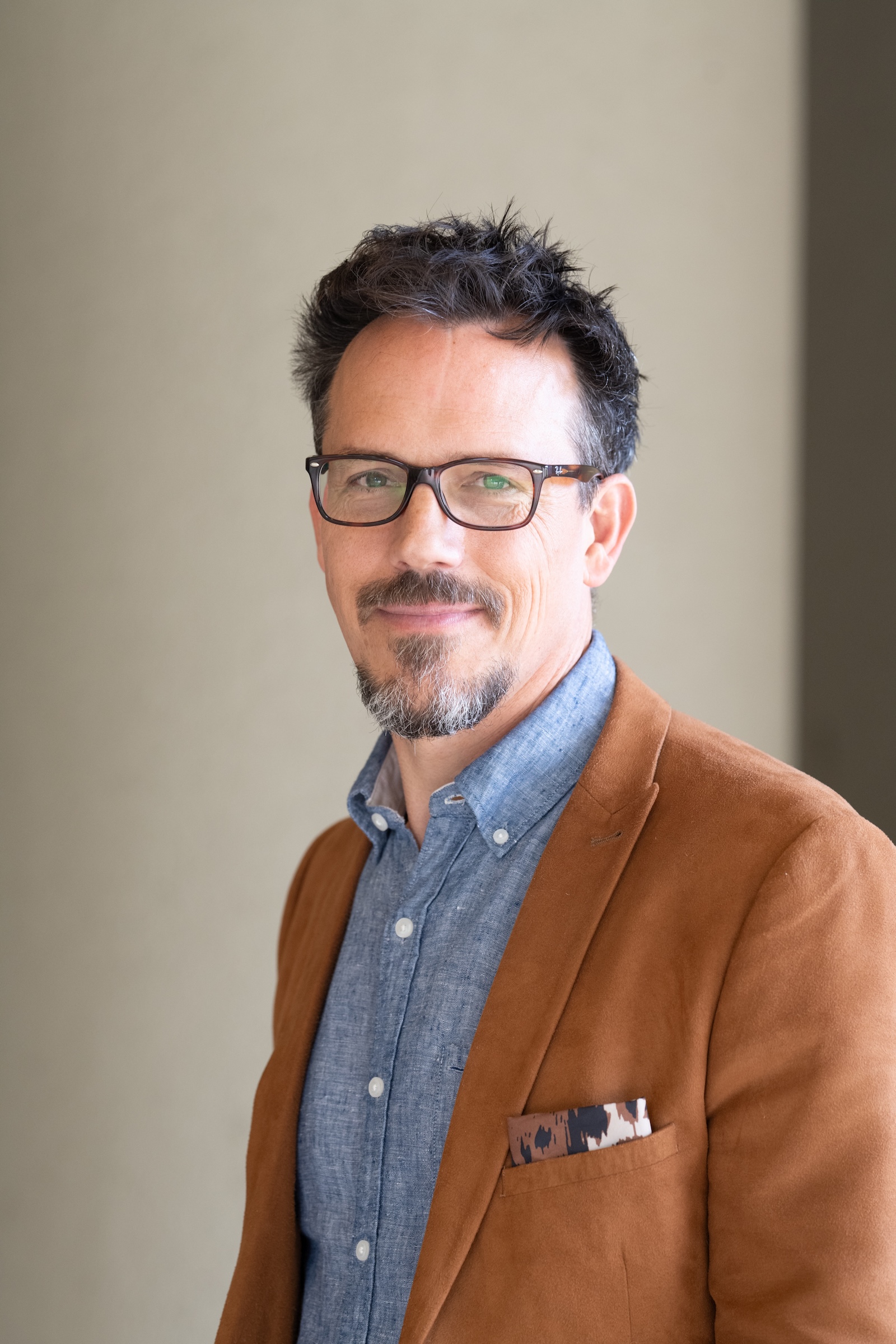
David Dawdy brings over 30 years of experience to behavioral health, with expertise in substance use disorder (SUD), mental health treatment, and systems improvement.
As a former Mental Health Director for the Michigan Department of Corrections, he led innovative, system-wide programs addressing mental health, SUD, and sexual offense treatment for justice-involved individuals. He managed a $52 million budget and oversaw more than 400 clinical and support staff.
Now a behavioral health and justice consultant, David partners with organizations to strengthen service delivery, implement evidence-based practices, and improve outcomes for individuals with co-occurring disorders.
A dynamic speaker and trainer, he is committed to reducing stigma and expanding access to care through education, advocacy, and practical, system-focused solutions.
NRADAN Members: $10
Nonmembers: $25
See NRADAN Membership Information at https://donorbox.org/nradan-2026-2027-membership.
Participants will review key risk factors, protective factors, warning signs, and the importance of asking directly about suicide. The session will also address clinician self-awareness, trauma-informed communication, non-stigmatizing language, and the role of ambivalence in conversations about suicide.
The workshop will introduce structured assessment and planning approaches, including collaborative safety planning. Emphasis will be placed on using these tools to support—not replace—clinical judgment.
Additional topics include documentation, follow-up, HIPAA and ethical considerations, lethal-means counseling, and level-of-care decisions. Participants will leave with practical strategies for developing thoughtful safety plans, documenting their clinical rationale, and connecting clients to appropriate supports and resources.
This workshop is provided by the National Rural Alcohol and Drug Abuse Network, Inc. (NRADAN) www.the-rural.org
NAADAC Continuing Education Units (CEUs) will be emailed to participants after this one-hour event.
Presenter: DAVID DAWDY, MA, LLP
David Dawdy brings over 30 years of experience to behavioral health, with expertise in substance use disorder (SUD), mental health treatment, and systems improvement.
As a former Mental Health Director for the Michigan Department of Corrections, he led innovative, system-wide programs addressing mental health, SUD, and sexual offense treatment for justice-involved individuals. He managed a $52 million budget and oversaw more than 400 clinical and support staff.
Now a behavioral health and justice consultant, David partners with organizations to strengthen service delivery, implement evidence-based practices, and improve outcomes for individuals with co-occurring disorders.
A dynamic speaker and trainer, he is committed to reducing stigma and expanding access to care through education, advocacy, and practical, system-focused solutions.
NRADAN Members: $10
Nonmembers: $25
See NRADAN Membership Information at https://donorbox.org/nradan-2026-2027-membership.
